Retirement | October 9, 2026
Social Security Likely Changing Retirement Age Structure But It Doesn’t Mean You’ll Work Longer
The Claiming Age Clarity Act, which passed the House and Senate on a bipartisan vote, doesn't change retirement ages but renames them to better reflect how claiming age affects an individual’s monthly benefits.


By Leada Gore
al.com
(TNS)
A bill that would change the titles for Social Security’s retirement ages is headed to President Donald Trump’s desk for his signature.
The Claiming Age Clarity Act, introduced in the House by Rep. Lloyd Smucker, R-Penn., and Rep. Don Beyer, D-Virginia, passed the House and Senate on a bipartisan vote.
The act doesn’t change retirement ages but renames them to better reflect how claiming age affects an individual’s monthly benefits.
“Americans who have worked their entire lives and earned Social Security benefits deserve clear, straightforward information as they make important decisions about their retirement,” Smucker said. “The Claiming Age Clarity Act replaces confusing government terminology with language that better explains how the age at which someone claims Social Security affects their monthly benefit.
What would change?
Under the act:
- “Early Eligibility Age” would become “Minimum Benefit Age.” This term applies to people who reach age 62, the earliest age at which an individual can begin receiving retirement benefits. Doing so, however, permanently lowers monthly benefits by as much as 30% compared to those who wait to standard benefit age.
- “Full Retirement Age” and “Normal Retirement Age” would become “Standard Benefit Age.” That age is generally 66 or 67, depending on an individual’s birth year. Social Security benefits increase roughly 8% each year you delay past your full retirement age until age 70.
- “Delayed Retirement Age” would become “Maximum Benefit Age.” This is age 70, the latest age someone can begin receiving benefits. Electing to delay receiving benefits by a year increases an individual’s benefits, up to a maximum of 24% more than the standard benefit.
The bipartisan legislation is supported by AARP, Bipartisan Policy Center Action, and AMAC Action.
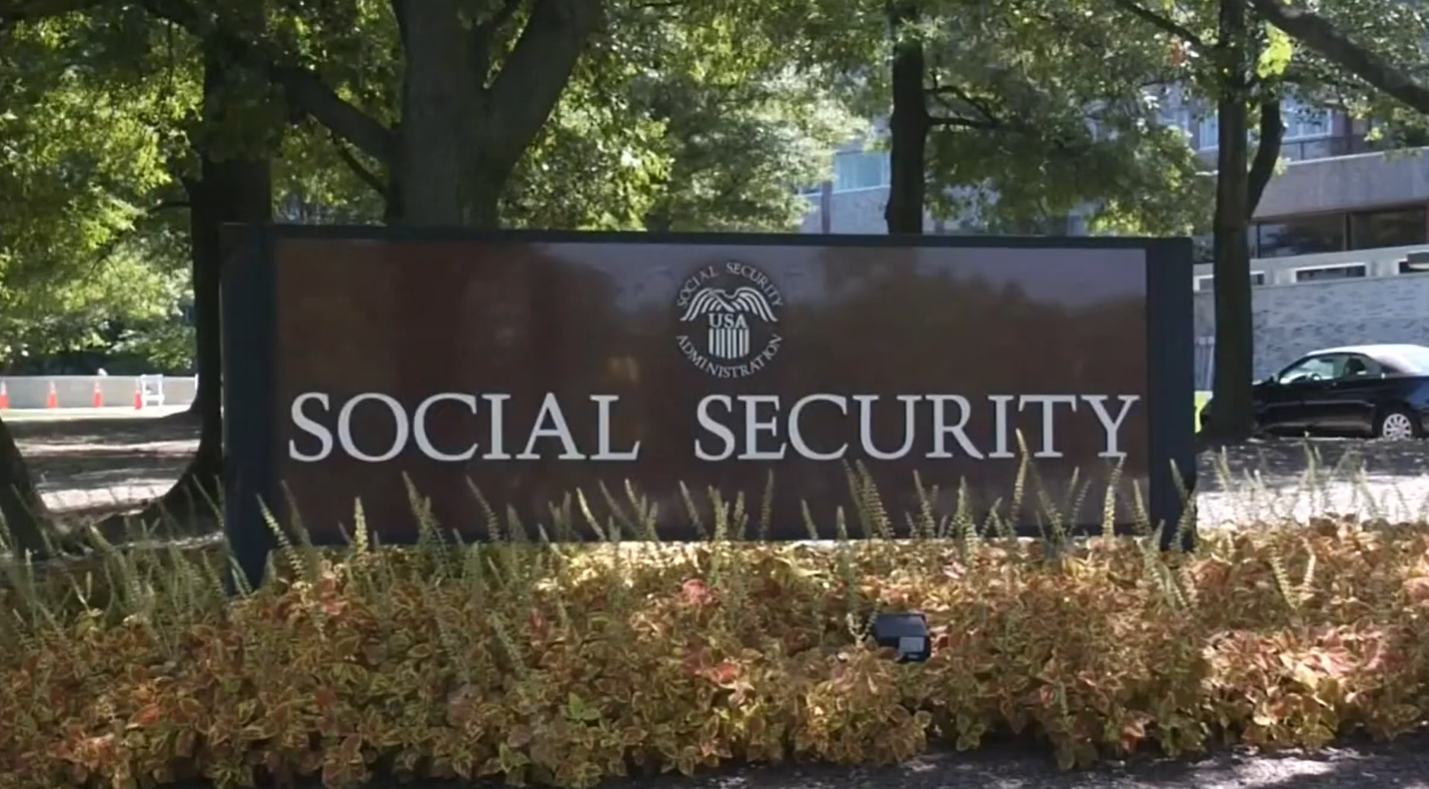
Photo source: YouTube
_______
©2026 Advance Local Media LLC. Visit al.com. Distributed by Tribune Content Agency, LLC.
Sign in to get access to this free resource, and all of our whitepapers and reports.

Download this content today!
Register Now Already registered? Click here to Log In

Payroll October 9, 2026
Social Security Ends Alternative Work Schedules on Nov. 16
At that time, all Social Security Administration employees will transition to a standard five-day work week.

Accounting October 6, 2026
Study: 8.4% of Accountants and Auditors in the U.S. Are 65 or Older
Overall, a study from Sam's List found that nearly one in five Americans 65 and older are employed: 11,566,481 people, or 18.9% of the 61,245,283 population in that age group.

Retirement September 30, 2026
History of Social Security COLAs
The predicted 2027 cost-of-living adjustment of 3.5% would rank 19th among the increases implemented since 1977, the first year Social Security began calculating the annual boost.

Benefits September 30, 2026
Why 2027 Social Security COLA May Not Go as Far for People with Disabilities
Social Security disability beneficiaries could see a 3.5% cost-of-living adjustment in 2027, but higher Medicare premiums could offset some of the increase.