House Ways and Means Advances Framework for Cryptocurrency Taxation
·5 min read
Congressional Focus on Crypto Taxation
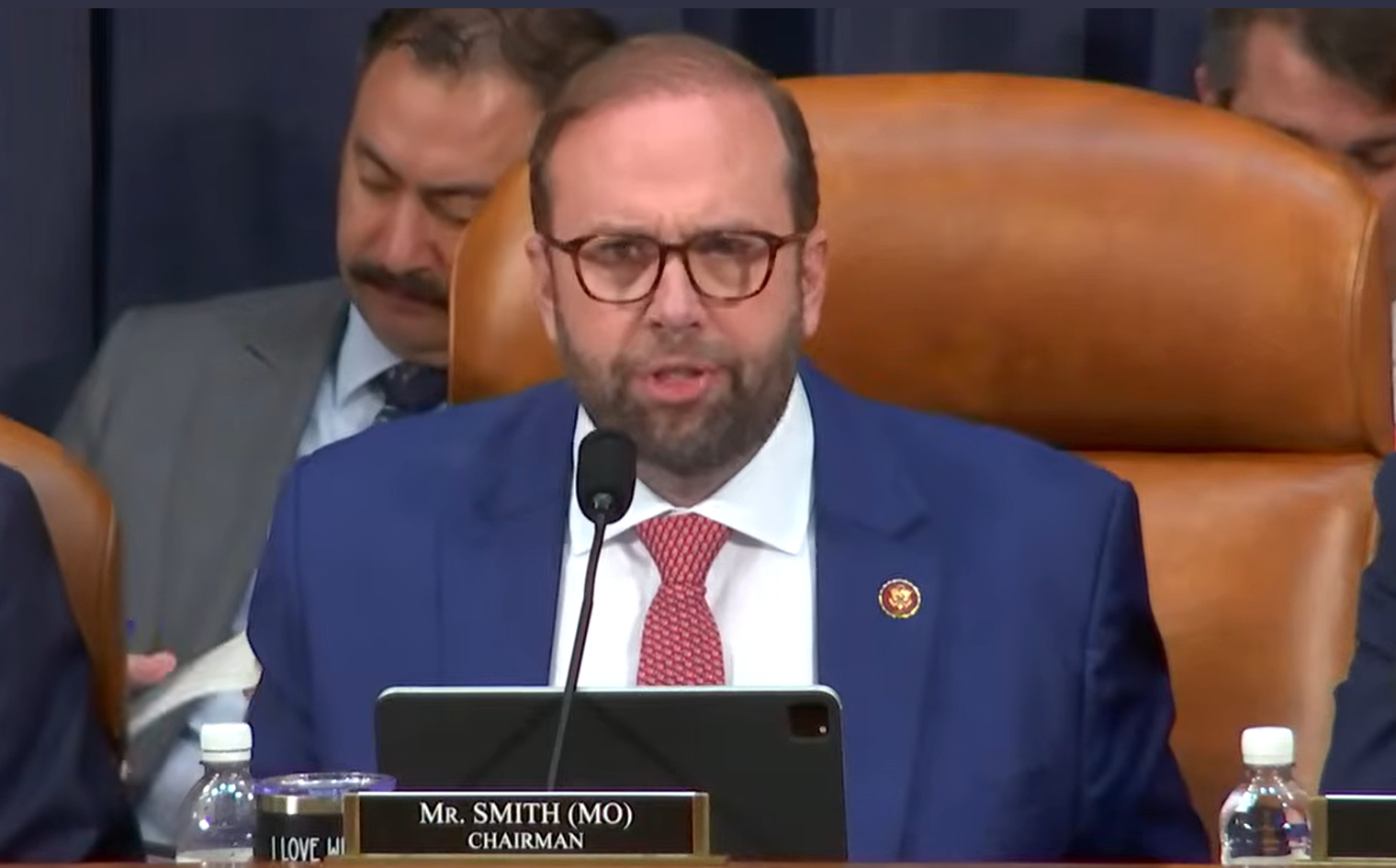
The House Ways and Means Committee is shifting its gears towards addressing the taxation of cryptocurrencies. Chairman Jason Smith has prioritized this effort, pushing for a structured legal framework even as the Senate grapples with broader market regulations. This initiative is critical, as it marks one of the first coordinated efforts by congressional leadership to establish clear tax guidelines for digital assets.
Interest in cryptocurrency has surged over the past few years, bringing it to a pivotal point where legislative clarity is becoming a necessity. Industry players have long expressed confusion over their tax obligations, especially considering the often ambiguous nature of existing regulations. A structured approach isn’t just policy — it's a response to a sector that’s struggling to remain compliant amidst shifting sands. This could be a turning point for how businesses operate in this digital frontier.
Interestingly, the House committee is set to unveil several new bills aimed at not just defining tax obligations but also aligning the treatment of cryptocurrencies with traditional financial assets. There's a growing demand from the industry for equal tax treatment. Transactions in digital assets currently lack clear rules—this creates a disconnect that can deter investment and innovation. Such legislative efforts could simplify compliance for many investors and businesses operating in the crypto space, providing a framework that many in the industry have been advocating for.
As part of the proposed legislation, key issues such as the taxation timing on digital tokens generated through mining or staking will be addressed. Cryptocurrency mining and staking have their unique economic implications, and Representative Kevin Hern has highlighted that understanding these tax implications is essential for operators and investors alike. The lack of clarity surrounding when and how tax is applied to these activities can influence decisions at the level of project funding or personal investment. Tax exemptions for stablecoin transactions are also part of the conversation, which could foster growth in that segment, reflecting a realization that stablecoins serve a critical role in the crypto ecosystem.
However, the extent to which these proposals will garner bipartisan support remains uncertain. Smith has expressed a preference for collaboration with Democrats, yet it's unclear if committee members from both sides are on board with the current drafts of the legislation. The political climate around cryptocurrency remains fraught with differing opinions, and one can’t overlook historical trends where compromises often dilute the original intent of such measures.
Here's the thing: while these legislative efforts can potentially streamline tax procedures for cryptocurrency transactions, they're complex and require careful consideration to avoid unintended consequences. For example, if certain digital assets are treated disproportionately, it could disincentivize certain behaviors—like mining or investing. The stakes are high; mismanaging these rules could send shockwaves through an already volatile market. The reality is that the implications of these decisions will be far-reaching, influencing not just tax collections but also the public's perception and adoption of cryptocurrencies as mainstream financial instruments.
Kenneth Kies from the Treasury Department has confirmed that his department collaborated closely with the House on this initiative, suggesting a unified approach among important governmental bodies. This collaboration indicates that the government is taking the complexities of cryptocurrency seriously, acknowledging that any regulatory framework needs serious input from multiple agency perspectives. Meanwhile, the Senate is working on its own set of proposals, indicating that crypto taxation is gaining momentum as a national conversation. And yet, with different arms of Congress pursuing their agendas, coordination can be lacking, creating further complexity for stakeholders.
Implications and Future Outlook
As the House prepares to release its bills, the next steps in this legislative journey will be vital not only for shaping the future of cryptocurrency taxation but also for determining how digital assets will be treated in the broader financial ecosystem. Clearly, the government is inching towards a more formalized approach, but the timeline remains uncertain. If you’re in the finance or tax consulting sectors, this development might significantly impact your strategies and compliance processes. But the reality is that until concrete policies are in place, ambiguity will continue to cloud investment decisions and business operations.
What this means for crypto investors and businesses is significant: greater clarity could lead to increased investment and a more vibrant market. On the flip side, the wrong decisions could lead to stifling regulations that could constrain innovation. As we watch these initiatives evolve, balancing regulation with fostering innovation will be key.
If you're working in this space, keeping an eye on how these proposals unfold could provide you with the insights necessary to navigate an increasingly complex environment. The situation is dynamic. It’s essential to be proactive—after all, the crypto market won't wait.