IRS | July 16, 2026
IRS Business Mileage Rate Increases to Record 76 Cents Per Mile
The IRS raised the optional standard mileage rates for the remainder of this year. The reason: recent increases in the price of fuel, as gasoline once again inches close to $4 a gallon amid the renewed fighting between the U.S. and Iran.




The IRS has raised the optional standard mileage rates for the remainder of this year. The reason: recent increases in the price of fuel, as gasoline once again inches close to $4 a gallon amid the renewed fighting between the U.S. and Iran.
The midyear changes to the 2026 standard mileage rates went into effect on July 1. The agency issued this year’s mileage rates last December in Notice-2026-10.
Optional standard mileage rates are used to calculate the deductible costs of operating vehicles for business, charitable, and medical purposes.
According to Announcement 2026-11, which was included in the most recent Internal Revenue Bulletin, the revised standard mileage rates are:
- Business: 76 cents per mile (up from 72.5 cents at the start of this year); and
- Medical and moving: 23.5 cents per mile (up from 20.5 cents at the start of 2026).
The mileage rate that applies to the deduction for charitable contributions is fixed under Section 170(i) of the Internal Revenue Code at 14 cents per mile.
The 76-cents-per-mile standard business mileage rate is believed to be an all-time high.
This is the first time since June 2022 that the IRS increased the standard mileage rates during the middle of the year. Gas prices had surged to more than $5 per gallon in the U.S. following Russia’s invasion of Ukraine in late February of that year and the resulting Western sanctions that disrupted global oil supplies.
Recommended Articles


The price of gas has ticked back up again as fighting between the U.S. and Iran has intensified in the past week or so over control of the Strait of Hormuz. As of today, the average price of regular gas in the U.S. is $3.943 per gallon, up from $3.890 on July 15 and $3.846 a week ago, according to the American Automobile Association. Regular gas had been as high as $4.044 on average a month ago. A year ago, a gallon of regular gas cost on average $3.160 in the U.S., according to AAA.
The revised standard mileage rates in IRS Announcement 2026-11 apply to deductible transportation expenses paid or incurred for business, medical, or moving expense purposes on or after July 1, 2026, and to mileage allowances that are paid both (1) to an employee on or after July 1, 2026, and (2) for transportation expenses paid or incurred by the employee on or after July 1, 2026, the agency said.
The standard mileage rates in Notice 2026-10 continue to apply to deductible transportation expenses paid or incurred for business, medical, or moving expense purposes before July 1, 2026, and to mileage allowances paid (1) to an employee before July 1, 2026, or (2) with respect to transportation expenses paid or incurred by the employee before July 1, 2026.
All other provisions of Notice 2026-10 remain in effect, the IRS said.
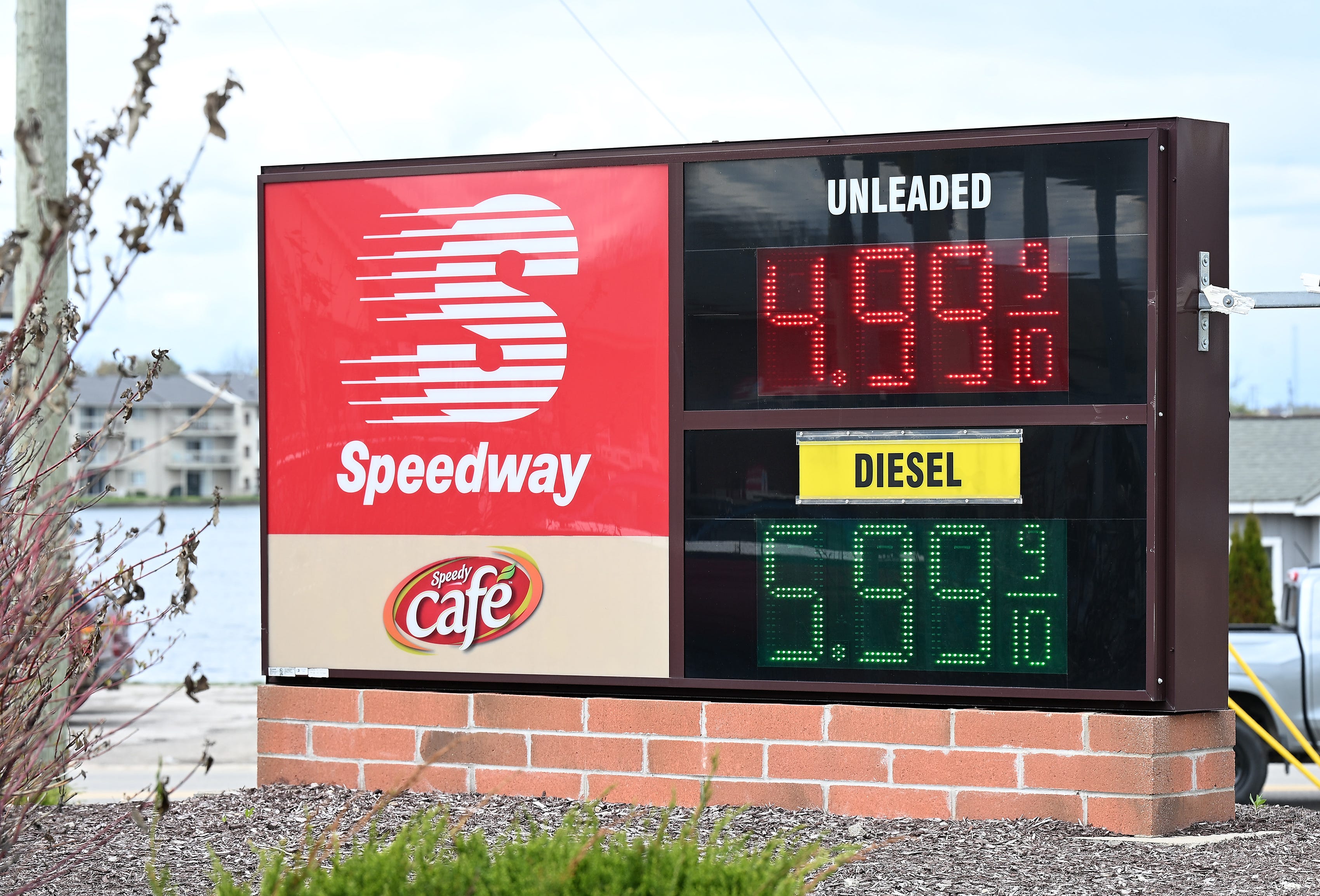
Photo caption: Regular unleaded gasoline was $4.99 on April 30, 2026, at the Speedway gas station in Lake Orion, MI. (Robin Buckson/The Detroit News/TNS)
Sign in to get access to this free resource, and all of our whitepapers and reports.

Download this content today!
Register Now Already registered? Click here to Log In
Taxes July 15, 2026
Make the IRS an Offer It Can’t Refuse
The IRS won’t agree to an offer-in-compromise unless the amount offered is equal to or greater than the reasonable collection potential.

IRS July 13, 2026
Judge Rules Trump IRS Immunity Deal Has No ‘Basis in Law’
U.S. District Judge Kathleen Williams said the president's lawsuit against the IRS "was not brought to vindicate rights; it was brought to manipulate the judicial process to pursue benefits unavailable in litigation because the parties were not adverse.”

Taxes July 9, 2026
IRS Introduces Automatic Exemption From Penalty Process, Phases Out First Time Abate
The IRS on Wednesday announced a new automatic process that will provide penalty relief for taxpayers who have a history of filing and paying their tax debts on time instead of requiring them to request assistance.

Taxes July 9, 2026
IRS Final Rules Identify Certain CRATs as ‘Listed Transactions’
The final regulations identify certain arrangements claiming to be charitable remainder annuity trusts as "listed transactions," a specific type of abusive tax shelter that the IRS has formally identified as a tax-avoidance scheme.