Auditing | August 20, 2026
AICPA Auditing Board OKs New Standard Clarifying Auditors’ Role in Detecting Fraud
A new standard that clarifies and enhances auditors’ responsibilities for identifying fraud or suspected fraud in a financial audit statement was approved by the AICPA's Auditing Standards Board on Aug. 20.




A new standard that clarifies and enhances auditors’ responsibilities for identifying fraud or suspected fraud in a financial audit statement was approved by the American Institute of CPAs’ Auditing Standards Board on Aug. 20.
The ASB’s adoption of Statement on Auditing Standards No. 151, The Auditor’s Responsibilities Relating to Fraud in an Audit of Financial Statements, supersedes SAS No. 122, Statements on Auditing Standards: Clarification and Recodification, as amended (Section 240, Consideration of Fraud in a Financial Statement Audit), and amends several other standards.
According to the AICPA, the new standard helps auditors more clearly understand their role in assessing risks of material misstatement due to fraud and their response when fraud or suspected fraud is identified in a financial statement audit.

SAS No. 151 strengthens audit procedures related to fraud while reinforcing that management and those responsible for governance of an entity remain primarily responsible for preventing and detecting fraud. The standard doesn’t change the definition of fraud, nor does it change the auditor’s overall objective of obtaining reasonable assurance that financial statements are free of material misstatement due to fraud or error. But it does add more specific requirements designed to improve auditor skepticism, fraud risk assessment, documentation, communication, and responses when fraud is identified or suspected.
“It is critical for auditors to remain alert to the possibility of fraud throughout an audit engagement,” Jennifer Burns, the AICPA’s chief auditor, said in a statement. “This standard reinforces the importance of professional skepticism and provides clearer direction for how auditors should respond when fraud is identified or suspected.”
Recommended Articles

SAS No. 151’s major changes include:
- Enhancing the auditor’s risk identification and assessment process as it relates to fraud by providing a fraud lens when performing risk assessment procedures in accordance with AU-C Section 315.
- Requiring the auditor to understand the entity’s whistleblower program (or other program to report fraud) if the entity has such a program, including how management and, if applicable, those charged with governance address allegations of fraud made through the program.
- Additional requirements governing how auditors respond when fraud or suspected fraud is identified, as well as more extensive requirements regarding communications with management and those charged with governance.
- Leaves unchanged the presumption that fraud risks exist in revenue recognition, and requires auditors to determine which types of revenue transactions or relevant assertions give rise to such risks.
The final version of the standard is expected to be posted online in October. SAS No. 151 will be effective for audits of financial statements for periods ending on or after Dec. 15, 2028, although firms can implement it earlier, the AICPA said.
Photo credit: American Institute of CPAs
Sign in to get access to this free resource, and all of our whitepapers and reports.

Download this content today!
Register Now Already registered? Click here to Log In
Auditing August 21, 2026
Tennessee Society of CPAs to Host Forensic and Valuation Services Conference
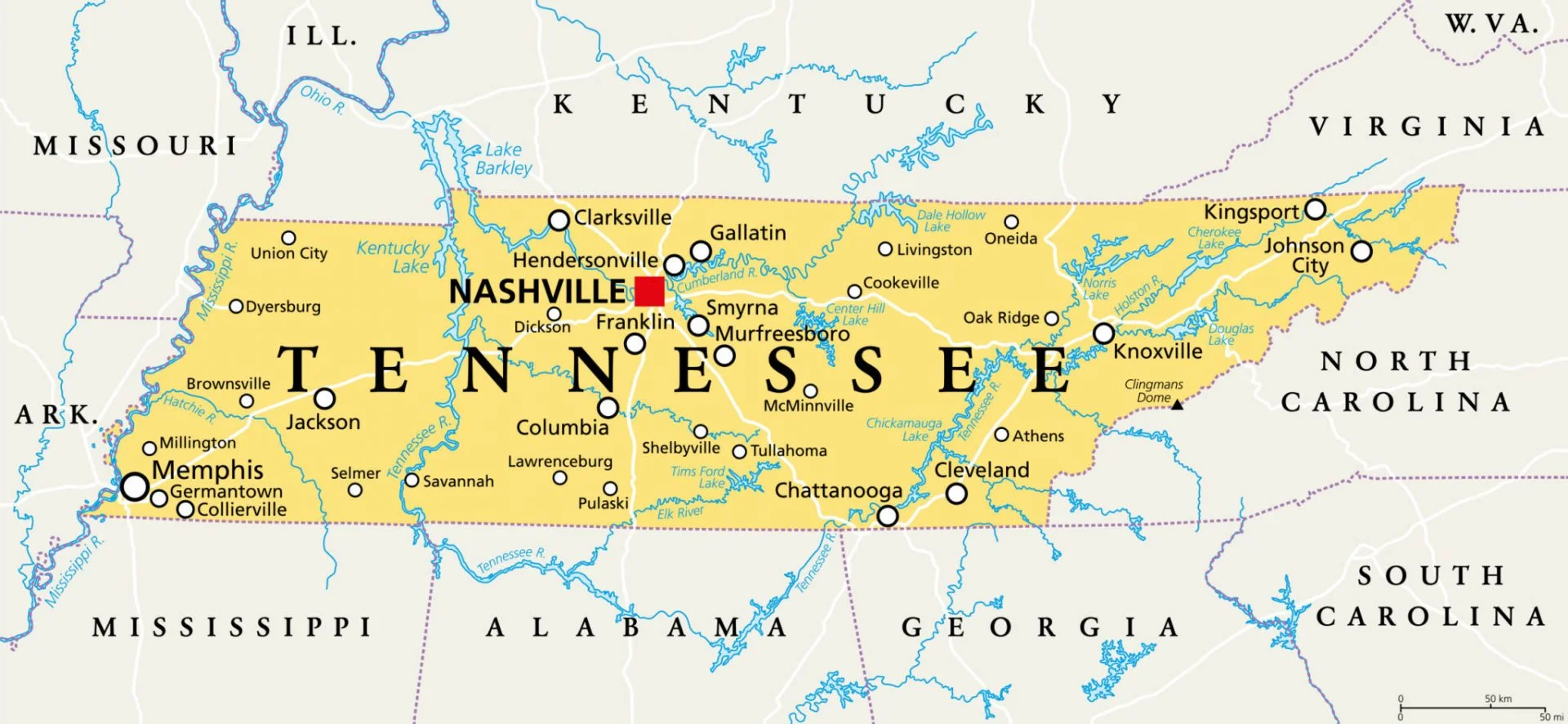
The Forensic and Valuation Services Conference will take place Oct. 27-29. The conference will be held at the TSCPA Meeting Center in the Nashville, Tennessee, area.
PCAOB August 18, 2026
PCAOB Provides Q&A for Auditors on QC 1000 Implementation
The Public Company Accounting Oversight Board posted a new staff resource for auditors on Tuesday that provides answers to questions about the implementation of the audit regulator's new quality control standard.

Auditing August 18, 2026
5 Questions to Ask Before Your SOX Team Adopts AI Agents
What to ask an AI testing vendor before starting the conversation—whether you are a part of a SOX program or on the advisory side.
SEC August 14, 2026
Here’s Why Single-Family Offices for the Ultrawealthy Don’t Have to Register with the SEC
Because they manage their own family's money, single-family offices used by the ultrawealthy to invest are exempt from some regulations.